
Utility Digging & Trenching Contractor Services in Vancouver
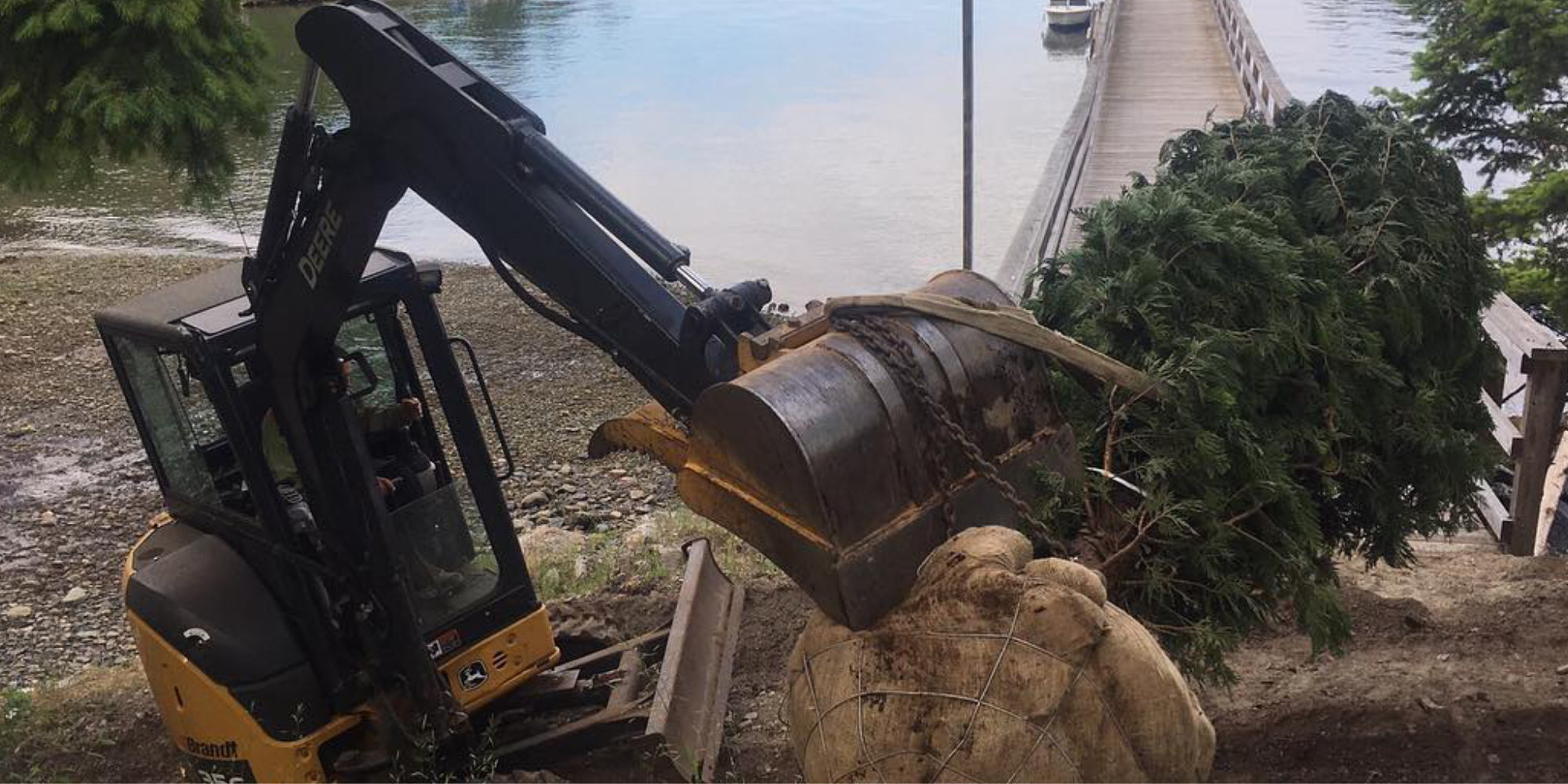
Utility digging is the foundation of any successful outdoor construction or landscaping project. Whether you are installing drainage systems, electrical lines, or irrigation, proper excavation ensures safety and long-term performance. Without accurate digging, even the best-designed project can face costly issues later.
Homeowners and contractors in Vancouver often deal with complex terrain and strict regulations. This guide will help you understand utility digging, the role of a trenching contractor, and how professional services can improve your project. By the end, you will know what to expect and how to choose the right team for the job.
What is Utility Digging and Why It Matters
Utility digging refers to the process of excavating soil to install or repair underground systems. These systems include water lines, electrical conduits, gas pipes, and drainage networks.
In Vancouver, proper utility digging is critical due to varied soil conditions and urban infrastructure. A well-executed digging process ensures:
- Safe installation of utilities
- Reduced risk of damage to existing lines
- Long-lasting performance of systems
- Compliance with local regulations
Poor digging practices can lead to service disruptions and expensive repairs. That is why hiring experienced professionals is essential.
Common Utility Digging Services
Utility digging includes a wide range of services tailored to different project needs.
Trenching for Utilities
Trenching is one of the most common forms of utility digging. It involves creating narrow excavated paths for installing pipes and cables.
Typical trenching projects include:
- Water and sewer line installation
- Electrical conduit placement
- Drainage system setup
A skilled trenching contractor ensures accurate depth and alignment, which is critical for system efficiency.
Site Preparation and Excavation
Before any construction begins, proper site preparation is required. This includes clearing land, leveling surfaces, and removing obstacles.
Site preparation ensures that the project starts on a stable and well-prepared foundation. It also helps avoid delays during later stages.
Mini Skid Steer Landscaping Applications
skid steer landscaping is ideal for tight spaces and residential projects. These compact machines provide precision and efficiency without damaging surrounding areas.
They are commonly used for:
- Small trenching jobs
- Backyard landscaping projects
- Accessing hard-to-reach areas
This approach is especially useful in urban environments where space is limited.
Benefits of Hiring a Professional Trenching Contractor
Hiring a professionaltrenching contractor offers several advantages for both homeowners and contractors.
- Expertise in handling complex excavation tasks
- Access to specialized equipment
- Compliance with safety and legal standards
- Efficient project completion
Professionals also reduce the risk of damaging underground utilities, which can be costly and dangerous.
Utility Digging for Hardscaping North Vancouver Projects
Hardscaping north vancouver projects often require precise utility digging to support structural elements. Features like retaining walls, patios, and walkways depend on proper drainage and utility placement.
Utility digging ensures that:
- Water flows away from structures
- Foundations remain stable
- Outdoor features last longer
Without proper excavation, hardscaping elements may shift or deteriorate over time.
Role of Utility Digging in Landscape Design North Vancouver
Landscape design north Vancouver projects relies heavily on utility digging for functionality and aesthetics. From irrigation systems to lighting, underground installations play a key role.
Utility digging supports:
- Efficient irrigation systems
- Outdoor lighting installation
- Drainage solutions
A well-planned design combined with proper excavation creates a balanced and visually appealing outdoor space.
Equipment Used in Utility Digging
Modern utility digging uses advanced equipment to improve efficiency and accuracy. Common tools include:
- Excavators for large-scale digging
- Trenchers for narrow and precise trenches
- Mini skid steers for compact spaces
Each piece of equipment is selected based on the project size and requirements. Using the right tools ensures better results and faster completion.
Safety Considerations in Utility Digging
Safety is a top priority in any utility digging project. Excavation work involves risks that must be managed carefully.
Key safety practices include:
- Locating existing underground utilities
- Using proper protective equipment
- Following local regulations
- Ensuring stable trench walls
Professional contractors follow strict safety guidelines to protect workers and property.
How to Choose the Right Trenching Contractor
Choosing the right trenching contractor can make a significant difference in your project outcome.
Look for:
- Proven experience in utility digging
- Positive customer reviews
- Proper licensing and insurance
- Clear project estimates
A reliable contractor will communicate clearly and provide a detailed plan before starting work.
Cost Factors for Utility Digging Services
The cost of utility digging depends on several factors. Understanding these can help you plan your budget.
- Project size and complexity
- Soil conditions
- Equipment required
- Accessibility of the site
- Depth and length of trenches
While costs may vary, investing in professional services ensures quality and reduces long-term expenses.
Utility Digging Process Step by Step
Understanding the process helps you know what to expect during your project.
- Site inspection and planning
- Utility marking and safety checks
- Excavation and trenching
- Installation of utilities
- Backfilling and site restoration
Each step is carefully executed to ensure safety and efficiency.
Preventing Common Utility Digging Mistakes
Avoiding common mistakes can save time and money.
Some key tips include:
- Always hire experienced professionals
- Do not ignore soil conditions
- Ensure proper drainage planning
- Follow safety regulations
Taking the right approach from the start ensures a smooth and successful project.
Conclusion
Utility digging is a critical part of any construction or landscaping project in Vancouver. From trenching for utilities to supporting hardscaping north vancouver and landscape design north Vancouver projects, proper excavation ensures safety, durability, and efficiency.
Working with a professional trenching contractor helps you avoid costly mistakes and ensures your project is completed to the highest standards. Whether you need small-scale excavation or full utility installation, expert services make all the difference.
If you are planning a project, contact us today to discuss your utility digging needs and get reliable, professional support tailored to your property.
Frequently Asked Questions (FAQs)
What is utility digging and when do I need it?
Utility digging involves excavating soil to install or repair underground systems like water lines, electrical conduits, and drainage. You need it for new construction, landscaping projects, or when upgrading existing utilities.
How deep does utility digging typically go?
The depth depends on the type of utility being installed. Water and drainage lines may require deeper trenches, while electrical conduits are usually installed at moderate depths based on local regulations.
Why should I hire a professional trenching contractor?
A professional trenching contractor ensures safe excavation, accurate trench depth, and compliance with regulations. They also help prevent damage to existing underground utilities and complete the work efficiently.
What equipment is used in utility digging projects?
Common equipment includes excavators, trenchers, and tools used in mini skid steer landscaping. These machines allow precise digging in both large areas and tight residential spaces.
How much does utility digging cost in Vancouver?
The cost varies depending on project size, soil conditions, trench depth, and accessibility. Smaller residential jobs cost less, while complex projects requiring specialized equipment may cost more.