
Sustainable Landscaping: How to Create an Eco-Friendly Yard That Saves Money and Water
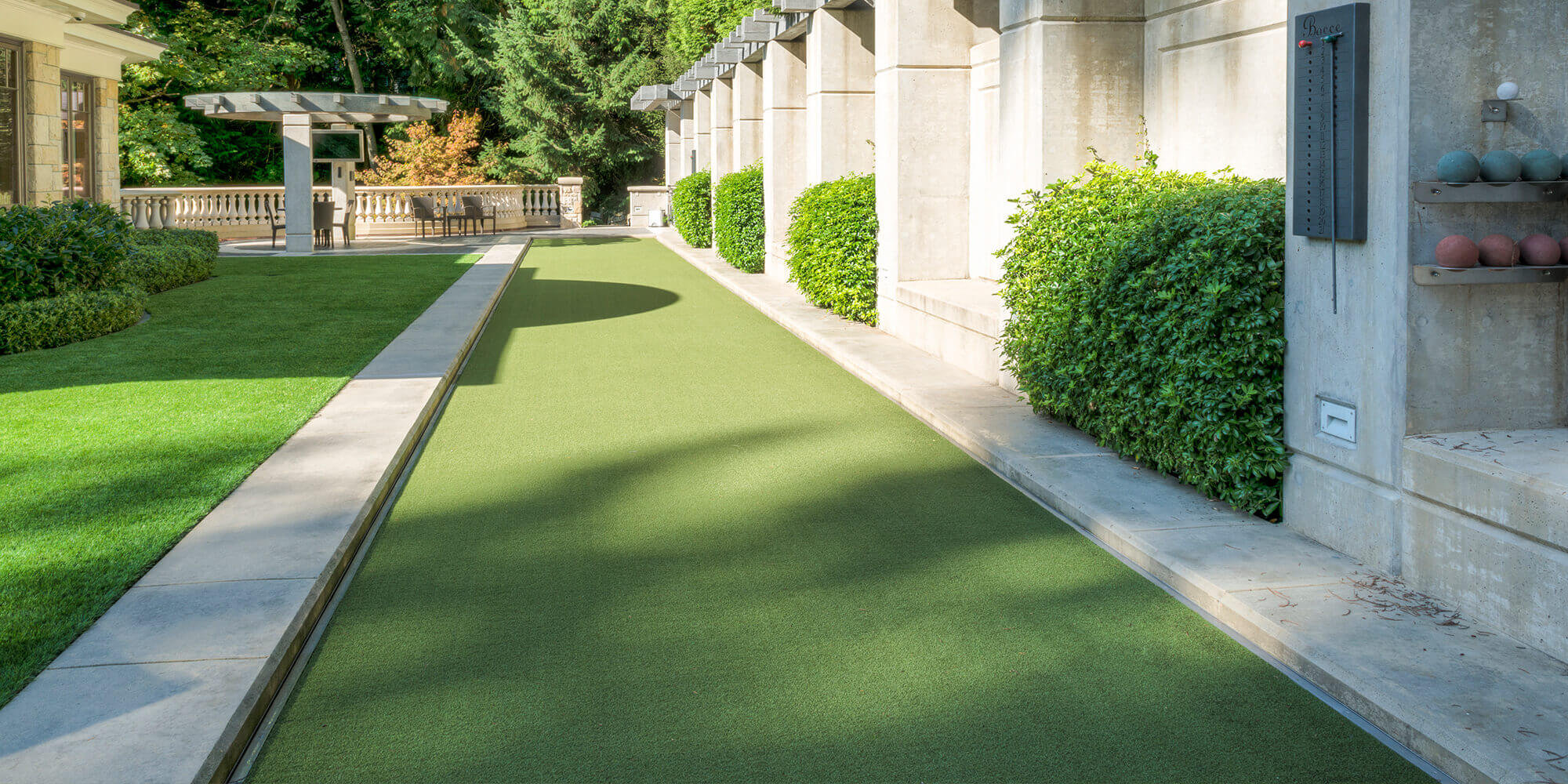
Sustainable landscaping is becoming essential for homeowners who want a beautiful yard while reducing water use, waste, and maintenance. In addition, this approach helps protect local ecosystems and supports long-term environmental health. With the growing demand for eco-friendly outdoor spaces, sustainable landscaping has quickly shifted from a trend to a smart investment in your property.
In this guide, you'll learn how to build green yards using proven eco-landscaping methods. You will also discover how professional services such as tight access landscaping Vancouver, custom landscapers, and teams specializing in landscaping and retaining walls can elevate your results.
What Is Sustainable Landscaping?
Sustainable landscaping focuses on using environmentally friendly methods that work naturally with the environment. It encourages long-term balance between plants, soil health, and resource use. These three lines help introduce the ideas before the more detailed subtopics below.
Use Native and Drought-Tolerant Plants
Native plants adjust easily to the climate and soil in your area. They require less water and fewer chemical treatments throughout the year. This makes your yard healthier, stronger, and easier to maintain.
Improve Soil Health Naturally
Healthy soil supports plant growth with minimal outside help. Organic materials like compost improve structure and nutrients. This results in long-term soil stability and stronger root development.
Choose Efficient Irrigation
Efficient irrigation approaches help reduce waste and keep landscapes hydrated. Targeted watering systems deliver moisture directly to plant roots. This improves efficiency and supports sustainable yard care.
Why Sustainable Landscaping Matters
There are several reasons why eco-focused yard design is growing in popularity. It benefits homeowners, wildlife, and the environment. These three lines set the stage for the advantages listed below.
1. It Reduces Water Consumption
Water usage decreases significantly when using drought-tolerant plants. Mulch helps hold moisture and reduce evaporation. Efficient irrigation systems prevent unnecessary waste.
2. It Lowers Maintenance Costs
Sustainable landscapes reduce the need for frequent mowing and fertilizing. Plants thrive with less intervention. This saves time and money every season.
3. It Supports Local Wildlife
Native plants attract beneficial insects and pollinators. These species help maintain natural balance. This improves biodiversity in your outdoor environment.
4. It Increases Property Value
Eco-friendly landscapes appeal to modern homebuyers. They offer beauty with lower ongoing upkeep. This creates lasting value and improves curb appeal.
Core Principles of Sustainable Landscaping
To create a long-lasting, eco-friendly yard, start with strong foundational principles. These ideas help guide design, planting, and maintenance decisions. The lines below help transition into the specific practices that follow.
Use Native and Drought-Tolerant Plants
Native plants thrive naturally in local conditions. They require fewer resources to stay healthy. This supports resilience in your landscape.
Improve Soil Health Naturally
Healthy soil builds a strong foundation for plant growth. Organic amendments enrich the ground naturally. This supports long-term nutrient balance.
Choose Efficient Irrigation
Irrigation systems should target roots directly. This reduces runoff and improves water efficiency. It keeps plants hydrated without excess waste.
Reduce Chemical Use
Minimizing chemicals helps protect soil and water quality. Natural alternatives offer safer solutions for maintenance. This creates a healthier outdoor environment.
Incorporate Recycling and Reuse
Reused materials reduce waste in your project. They also create unique and visually appealing landscapes. This supports eco-friendly design goals.
Designing a Yard With Sustainable Landscaping Techniques
Creating an eco-friendly yard does not require a full renovation. You can start with small improvements and expand over time. These lines help bridge the introduction and the practical tips below.
1. Plan for Water Efficiency
Grouping plants by water requirements avoids overwatering. It ensures each plant receives what it needs. This approach supports long-term water savings.
2. Choose Climate-Appropriate Plants
Climate-adapted plants thrive in existing conditions. They need less care and fewer resources. This simplifies yard maintenance.
3. Improve Drainage and Erosion Control
Properties on slopes benefit from structural support. Retaining walls help stabilize soil and manage runoff. This protects the landscape from erosion.
4. Add Mulch for Soil Protection
Mulch shields soil from direct sunlight. It helps regulate moisture and temperature. This keeps plant roots in better condition.
5. Create a Pollinator-Friendly Garden
Pollinator plants attract beneficial insects. These species help maintain ecological balance. This enhances biodiversity in your yard.
Eco-Landscaping for Small or Challenging Spaces
Small or narrow yards can still become beautiful outdoor spaces. With proper planning, these areas can be functional and sustainable. The following lines set up the detailed guidance below.
Benefits of Tight Access Landscaping Vancouver
Specialized teams handle limited-space projects with skill. Their equipment fits narrow pathways and small yards. This ensures efficient, safe, and successful landscape work.
How Custom Landscapers Add Value
Custom landscapers design solutions based on yard size and goals. They create layouts that maximize beauty and function. This helps homeowners make the most out of limited areas.
Ideal for fenced or narrow urban lots
Reduces risk of property damage
Allows efficient work in complex areas
Hardscape Materials for a Green Yard
Hardscape choices play an important role in sustainable design. They influence drainage, durability, and environmental impact. These lines lead into the eco-friendly material ideas below.
Eco-Friendly Hardscape Ideas
1. Permeable pavers that reduce runoff
2. Recycled stone and gravel
3. Reclaimed wood for fencing or garden structures
4. Natural stone seating
5. Low-energy outdoor lighting
Smart Irrigation Strategies for Water Conservation
Water conservation is easier with modern irrigation tools. These systems help maintain healthy plant growth without overuse. These lines connect the topic to the tips listed below.
Drip Irrigation for Targeted Watering
Drip systems deliver moisture directly to roots. They reduce waste by preventing evaporation. This supports efficient plant hydration.
Rain Sensors That Prevent Overwatering
Rain sensors stop irrigation when natural rainfall occurs. This avoids unnecessary watering. It also improves system efficiency.
Smart Controllers That Adjust Automatically
Smart controllers monitor weather patterns. They adjust watering schedules accordingly. This prevents excess water usage.
Rain Barrels to Collect and Reuse Water
Rain barrels store natural rainfall. They provide a clean water source for gardens. This supports sustainable irrigation practices.
Sustainable Landscaping Maintenance Tips
Maintaining a green yard should be simple and environmentally mindful. These lines introduce the easy maintenance ideas below. Each subheading has been expanded to three lines and kept true to your original content.
Use Organic Fertilizers
Organic fertilizers improve soil naturally. They offer nutrients without harsh chemicals. This supports balanced and healthy plant growth.
Control Weeds Naturally
Natural weed control maintains yard health. Mulch and groundcovers help block unwanted growth. This reduces reliance on chemical herbicides.
Prune Strategically
Correct pruning improves plant form and strength. It encourages natural growth patterns. This keeps plants vibrant and manageable.
Maintain Soil Health
Compost enriches soil and improves structure. Aeration helps roots breathe and grow well. This strengthens the entire landscape ecosystem.
Reduce Lawn Size
Smaller lawns require less water and mowing. Replacing turf with native plants lowers upkeep. This creates a more sustainable and attractive yard.
Helps reduce chemical dependence
Encourages long-term soil nutrition
Lowers overall yard upkeep time
When to Hire Professional Support
Some landscaping tasks require specialized equipment and knowledge. Professionals can help manage advanced or complex projects. These lines help transition into the professional roles described below.
Custom Landscapers for Advanced Designs
Custom landscapers develop detailed plans for your yard. They create personalized layouts that suit your needs. This ensures the final result aligns with your goals.
Landscaping and Retaining Walls Specialists
Retaining wall experts stabilize slopes. They ensure soil stays in place through proper design. This protects the property from long-term erosion.
Tight Access Landscaping Vancouver Teams
Specialists handle restricted or narrow areas effectively. They use equipment designed for small or confined spaces. This reduces risk and improves project efficiency.
Final Thoughts: Building a Greener, Smarter Landscape
Sustainable landscaping offers long-term benefits for your home and the environment. It reduces maintenance while creating a vibrant outdoor space. This approach helps support the local ecosystem in meaningful ways.
Whether you are making small changes or planning a full renovation, sustainable methods help you achieve an eco-friendly yard. These efforts create beauty that lasts while reducing environmental impact. Every improvement contributes to a healthier, greener property.
Frequently Asked Questions
1. What is the main goal of sustainable landscaping?
The main goal is to create a beautiful outdoor space that conserves resources, protects the environment, and reduces long-term maintenance needs.
2. Are native plants better for eco-friendly yards?
Yes, native plants adapt to local soil and climate, require less water, and support local wildlife, making them ideal for sustainable landscapes.
3. How can I reduce water use in my yard?
You can use drip irrigation, drought-tolerant plants, mulch, and smart controllers to maintain plant health while saving water.
4. Can sustainable landscaping work in small or tight-access spaces?
Absolutely. With proper planning and the help of tight access landscaping specialists, even compact or narrow yards can be made eco-friendly.
5. When should I hire a professional landscaper?
Hire a professional when you need structural elements like retaining walls, custom design work, or when dealing with restricted access areas that require specialized equipment.